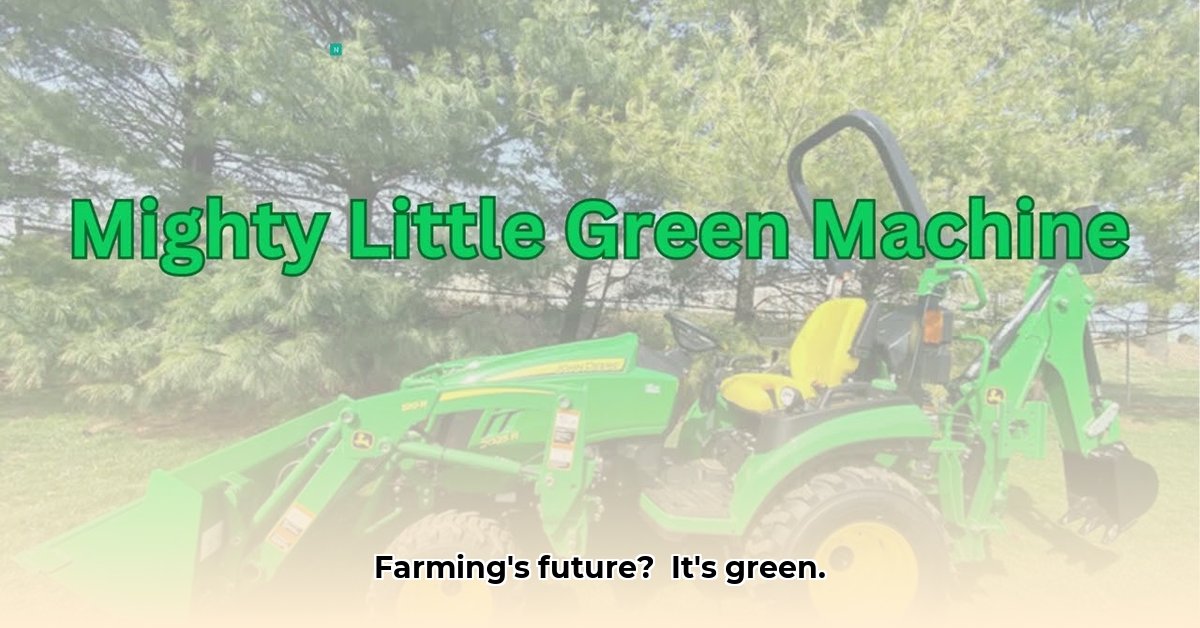
The Little Green Tractor's Remarkable Comeback: A Story of Hope and Innovation
Imagine a rusty, forgotten 1929 John Deere tractor, abandoned in a field – a relic of a bygone era. Now picture that same tractor, painstakingly restored, gleaming under the sun, its engine purring. This isn't just a heartwarming tale; it's a powerful symbol of sustainable farming's exciting future. This story, focused on the revitalization of a “Little Green Tractor,” reveals how blending traditional methods with modern technology can transform small-scale agriculture. It's a story of resilience, ingenuity, and the harmonious marriage of age-old wisdom and cutting-edge innovation. For more on tractor restoration, see this helpful resource.
Sustainable Farming: Why It Matters Now More Than Ever
The global push for sustainable farming is crucial for our planet's future. We need methods that protect the environment, feed a growing population, and support farmers' livelihoods. The little green tractor, and its modern counterparts, represent a more mindful, environmentally responsible path. But how can we ensure widespread adoption of these methods in the face of economic constraints and the inherent challenges of small-scale farming?
The Little Green Tractor: Bridging the Gap Between Past and Future
That lovingly restored little green tractor perfectly embodies the best of both worlds. It symbolizes traditional farming, often inherently sustainable and energy-efficient, while readily adapting to modern technology. Think GPS-guided planting, high-yield seeds, and precise irrigation—a blending of the best of the past with the potential of the future. This approach isn't about discarding traditional methods; it's about intelligently building upon them. Isn't this a more effective way to create a sustainable future?
Technology: Empowering Small-Scale Farmers
The true magic isn't solely in the tractor itself, but in the accessible technological tools now available to small-scale farmers. Affordable and user-friendly solutions are key. Consider these examples:
Precision irrigation (using sensors and smart technology): This ensures water is used only where and when needed, saving resources and boosting yields.
Improved seeds (modern plant breeding): Disease-resistant crops lead to higher yields and less reliance on pesticides.
Data-driven decision-making (tracking yields and soil conditions): This allows for informed choices, leading to optimization and sustainability.
However, challenges remain: high upfront costs, the need for technological training, and data security concerns. These must be addressed for widespread adoption.
Real-World Success Stories: Small Farms Leading the Way
Many small farms demonstrate the transformative power of combining traditional methods with smart technology. While comprehensive data is still emerging, the success stories of these innovative farmers showcase how simple methods, paired with cutting-edge tools, result in abundant harvests and thriving businesses. Their experiences highlight the potential of this integrated approach and offer inspiration for others. Are these inspiring stories enough to convince skeptics of the potential of small-scale farming?
Navigating the Hurdles: Policy, Support, and Consumer Choices
Government support is crucial. Incentives, streamlined regulations, and investment in rural infrastructure are vital. Consumers also play a significant role; choosing locally sourced produce directly supports sustainable farms. This collective effort is essential for the success of small-scale sustainable agriculture.
The Future of Sustainable Farming: A Collaborative Effort
The future of sustainable agriculture is a collaborative effort between farmers, scientists, policymakers, and consumers. The little green tractor symbolizes this collaboration, representing innovation and a hopeful future where sustainability and technology work together. What will your role be in this revolution?
How to Measure the Economic Impact of Small-Scale Sustainable Farming Technologies
Key Takeaways:
- Sustainable farming technologies offer significant economic potential for small-scale farmers.
- Measuring this impact requires a holistic approach, considering various key performance indicators (KPIs).
- Technological integration presents both opportunities and challenges that must be carefully managed.
- Strategic planning and collaboration are essential for the long-term success of this approach.
- Government policies and research institutions play vital roles in supporting small-scale sustainable agriculture.
Measuring Economic Impact: A Multi-Faceted Approach
Measuring the economic impact requires a detailed approach. We must go beyond simple yield increases and consider: increased yield and quality; reduced input costs; improved market access; reduced environmental impact; and enhanced resilience to climate change. Analyzing this data provides a much more comprehensive understanding of the true economic benefits. Does this approach offer a clearer picture of the economic viability of sustainable farming methods?
Actionable Intelligence for Stakeholders
| Stakeholder Group | Short-Term Actions (0-1 year) | Long-Term Vision (3-5 years) |
|---|---|---|
| Smallholder Farmers | Implement data-driven practices; explore microloans and grants. | Diversify crops; invest in processing and marketing infrastructure. |
| Governments | Provide subsidies for sustainable tech; invest in agricultural R&D. | Develop supportive policies; promote sustainable agricultural practices. |
| Research Institutions | Develop cost-effective technologies; prioritize farmer training. | Foster collaboration between farmers, businesses, and government. |
Case Study: The Little Green Tractor's Revival
The restored little green tractor, equipped with smart sensors for precision spraying, demonstrates how technology can directly improve profitability by reducing pesticide use and increasing yields. This is a tangible example of the economic potential of sustainable technologies. Is this a compelling enough example to showcase the benefits of technology integration in small-scale farming?